%20(2).png)

WITAMY W
ARMENII
ՀԱՅԱՍՏԱՆ
Mały kraj. Ponadczasowa cywilizacja. Starożytne klasztory, pierwszy chrześcijański naród świata, zapierające dech w piersiach górskie krajobrazy — i dziedzictwo, które przetrwało tysiąclecia.
Ukryta wśród surowych szczytów Kaukazu Południowego Armenia jest krainą, w której historia wpisana jest w każdą górę, każdy klasztor i każdą wieś. Starożytne kościoły wznoszą się nad dramatycznymi kanionami, gwarne kawiarnie wypełniają ulice Erywania, a wielowiekowe tradycje wciąż kształtują codzienne życie.
Znana jako pierwszy naród, który w 301 roku n.e. przyjął chrześcijaństwo jako religię państwową, i jako ojczyzna jednych z najstarszych klasztorów oraz skarbów archeologicznych świata, Armenia oferuje niezwykłą podróż przez historię, kulturę i przyrodę. Od brzegów zachwycającego jeziora Sewan i świętej sylwetki Araratu po klasztory z listy UNESCO, bogatą kuchnię i serdeczną gościnność — Armenia zaprasza podróżnych do miejsca, jakiego nie znajdą nigdzie indziej: autentycznego, inspirującego i niezapomnianego.
Nazwa oryginalna
Հայաստան [hɑjɑsˈtɑn]
Stolica
Powierzchnia
29,743 km²
Liczba ludności
3,008,000
Religia
Oriental Orthodox Christianity
Język
Alfabet
Armenia
Armenian alphabet (աբգդէզէըթժիլ...)
Waluta
Dram · ֏ · AMD
1 $ ≈ 383 ֏
1 € ≈ 443 ֏
Strefa czasowa
GMT +4
Wiza
Many nationalities (EU, US, Canada, UK, etc.) enjoy visa-free entry for up to 180 days per year.

Dlaczego Armenia jest jedyna w swoim rodzaju
Niektóre kraje odkrywa się stopniowo. Inne stawiają pytania już od pierwszego dnia — i to zupełnie inne, niż się spodziewałeś. Armenia należy do tych drugich. To najstarszy chrześcijański naród na ziemi, kraj z własnym alfabetem stworzonym przez jednego człowieka w jednym akcie twórczym, i kraina, której główny symbol narodowy — góra Ararat — nie leży w jej granicach, lecz jest widoczna jedynie ze wzgórz Erywania, po drugiej stronie zamkniętej granicy.
Armenia to niewielkie państwo Kaukazu Południowego, wciśnięte między Morze Czarne a Morze Kaspijskie, choć nie dotykające żadnego z nich. To naród gór: średnia wysokość jej terytorium wynosi około 1800 metrów, a różnice wysokości sprawiają, że w ciągu jednego dnia jazdy można przejechać od klimatu subtropikalnego po alpejski. Ale tym, co najbardziej definiuje Armenię, nie jest ukształtowanie terenu — lecz głębia pamięci historycznej. Tutejsze klasztory mają ponad tysiąc lat, sztuka kamiennych krzyży (chaczkarów) została wpisana na listę UNESCO, a ormiańska diaspora rozproszona po całym świecie kilkakrotnie przewyższa liczebnie ludność samego kraju.
Ten przewodnik nie próbuje wyliczyć wszystkich zabytków. Jego celem jest wyjaśnienie, czym Armenia naprawdę jest — jej języka, muzyki, klasztorów i jej relacji z czasem — tak byś w chwili przyjazdu rozumiał już nieco więcej niż turysta z aparatem.
Armenia była pierwszym państwem na świecie, które przyjęło chrześcijaństwo jako religię oficjalną — w roku 301, dwanaście lat przed edyktem mediolańskim, który zalegalizował chrześcijaństwo w Cesarstwie Rzymskim.
CIEKAWOSTKA

GEOGRAFIA I REGIONY
Kraj na dachu Kaukazu
Armenia zajmuje 29 743 km² — mniej więcej połowę powierzchni Szwajcarii. Jest też jednym z najwyżej położonych krajów regionu: około 90% jej terytorium leży powyżej 1000 metrów n.p.m. Nie ma dostępu do morza; graniczy z Gruzją na północy, Azerbejdżanem na wschodzie, Iranem na południu i Turcją na zachodzie — dwie z tych czterech granic, z Azerbejdżanem i Turcją, pozostają zamknięte od dziesięcioleci.
Rzeźba terenu Armenii należy do Małego Kaukazu i Wyżyny Armeńskiej: to góry fałdowe, wygasłe wulkany, głębokie wąwozy i wysokie płaskowyże. Najwyższym punktem kraju jest góra Aragac (4090 m), wygasły wulkan o czterech wierzchołkach, położony na północny zachód od Erywania. Najsłynniejsza góra — Ararat (5137 m) — leży jednak po drugiej stronie granicy, w Turcji; w pogodny dzień widać ją z Erywania i pozostaje ona symbolem narodowym, umieszczonym w herbie kraju, do którego nie należy.
W centrum kraju, na wysokości 1900 metrów, leży jezioro Sewan — jedno z największych wysokogórskich jezior słodkowodnych świata i główne letnie miejsce wypoczynku Ormian.
Najważniejsze miejsca do zwiedzania

Erywań
Jedno z najstarszych nieprzerwanie zamieszkanych miast świata — różowy tuf, schody Kaskady, Matenadaran i kawiarnie pod Araratem.

Eczmiadzyn
Duchowa stolica Armenii i siedziba Katolikosa, z katedrą uznawaną za najstarszą na świecie.

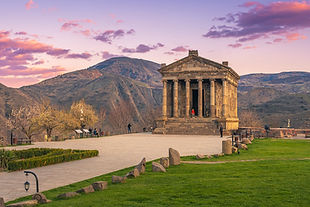
Garni
Jedyna zachowana grecko-rzymska świątynia z kolumnadą na Kaukazie, na skalnym cyplu nad wąwozem Azat i bazaltową „Symfonią Kamieni”.

Norawank
XIII-wieczny klasztor na tle pionowych, ceglastoczerwonych skał na końcu wąskiego wąwozu.

Jezioro Sewan
Jedno z największych wysokogórskich jezior słodkowodnych świata, na wysokości 1900 metrów, z klasztorem Sewanawank na półwyspie.

Dilidżan
Zalesione górskie miasteczko w zielonej północy Armenii, od dawna nazywane ormiańską Szwajcarią.

Tatew
Klasztor z IX wieku na bazaltowym płaskowyżu nad wąwozem Worotan, do którego prowadzi najdłuższa wahadłowa kolej linowa świata.

Giumri
Drugie miasto Armenii, zbudowane z czarnego tufu, z najlepiej zachowanymi XIX-wiecznymi ulicami w kraju.

Chor-Wirap
Najbardziej rozpoznawalny widok Armenii — klasztor na wzgórzu naprzeciw Araratu, gdzie więziono świętego Grzegorza Oświeciciela.

Areni
Serce ormiańskiego winiarstwa i miejsce najstarszej znanej winiarni na świecie.

Geghard
Średniowieczny klasztor częściowo wykuty w litej skale, wpisany na listę UNESCO — kaplice, święte źródło i chaczkary w ścianie wąwozu.

Haghpat
Klasztor z X wieku nad wąwozem Debed, wpisany na listę UNESCO wraz z sąsiednim Sanahinem.
Mapa atrakcji turystycznych

HISTORIA I ARCHITEKTURA
Armenia na przestrzeni wieków
Większość cywilizacji zniknęła wraz z imperiami, które je stworzyły. Armenia przetrwała je wszystkie.
Na długo zanim nad Nilem wzniosły się piramidy, ludzie żyli w jaskiniach i żyznych dolinach Wyżyny Armeńskiej. W Areni archeolodzy odkryli najstarszą znaną winiarnię świata i najstarszy zachowany skórzany but — milczące świadectwa kultury, która ponad 6000 lat temu opanowała już rolnictwo, rzemiosło i rytuał. Od potężnego królestwa Urartu po imperium Tigranesa Wielkiego, Armenia stała się jedną z wielkich cywilizacji starożytnego Bliskiego Wschodu.
Wieki przed tym, nim chrześcijaństwo przyjęła większość Europy, Armenia jako pierwszy naród na świecie uczyniła je religią państwową. Stworzyła własny alfabet, zachowała niezwykłą tradycję literacką i zbudowała klasztory, które do dziś wieńczą górskie granie. Gdy królestwa powstawały i upadały, klasztory stawały się twierdzami nauki, chroniącymi język, wiarę i tożsamość ludu rozproszonego po kontynentach.
Leżąc pomiędzy światem rzymskim, perskim, bizantyjskim, arabskim, osmańskim i rosyjskim, Armenia rzadko cieszyła się długimi okresami pokoju. Każdy podbój zostawiał ślad, ale żaden nie zdołał wymazać samego narodu. Imperia przychodziły i odchodziły, granice przesuwały się niezliczoną ilość razy, lecz Armenia trwała dzięki swojej kulturze, swojemu Kościołowi i wytrwałości swoich ludzi.
Poniższa opowieść obejmuje ponad trzy tysiąclecia ormiańskiej historii — od prehistorycznych osad i starożytnych królestw po średniowieczne klasztory, miasta kupieckie i współczesną republikę. To historia jednej z najstarszych nieprzerwanie zamieszkanych cywilizacji świata, której dziedzictwo wciąż kształtuje Kaukaz i inspiruje odwiedzających z całego świata.
Przewiń oś czasu lub dotknij dowolnego momentu, aby go otworzyć.
Armenia zachowana w kamieniu
Ormiańska architektura to opowieść o cywilizacji wykutej w kamieniu. Od ponad 2000 lat kościoły, twierdze, świątynie i całe wsie wyrastają z wulkanicznego tufu i ciemnego bazaltu, wtapiając się niemal bez reszty w otaczające góry. Od jedynej zachowanej w regionie świątyni grecko-rzymskiej po klasztory wykute w skale, średniowieczne warownie i misterną sztukę chaczkarów — architektoniczne dziedzictwo Armenii odzwierciedla jeden z najstarszych chrześcijańskich narodów świata, zachowując przy tym ślady cywilizacji o wiele starszych. Aby je zrozumieć, spójrz poza pojedyncze zabytki i odkryj tradycje architektoniczne, które ukształtowały kraj zbudowany po to, by przetrwać.

JĘZYK I ALFABET
Alfabet stworzony przez jednego człowieka
Język ormiański tworzy własną, odrębną gałąź rodziny języków indoeuropejskich — nie należy do żadnej innej grupy, choć w ciągu swojej historii przejął zapożyczenia z perskiego, greckiego, arabskiego i rosyjskiego. Posługuje się nim od 6 do 7 milionów ludzi, w większości poza Armenią: diaspora w Rosji, Stanach Zjednoczonych, Francji i na Bliskim Wschodzie kilkakrotnie przewyższa liczebnie ludność samego kraju.
Alfabet ormiański stworzył mnich i uczony Mesrop Masztoc w 405 roku n.e., na zlecenie ormiańskiego Kościoła i króla, aby lud mógł czytać Biblię we własnym języku. To jeden z rzadkich w dziejach przypadków, gdy alfabet całej cywilizacji ma dokładną datę powstania i znanego z imienia autora. Pierwotnie liczył 36 liter; później dodano trzy kolejne, co daje dzisiejszą liczbę 39.
Dzień Alfabetu Ormiańskiego jest świętem państwowym, a pomniki Mesropa Masztoca stoją w całym kraju — między innymi u stóp Matenadaranu, erywańskiego skarbca dawnych rękopisów.
Matenadaran w Erywaniu przechowuje ponad 17 000 rękopisów i 30 000 dokumentów archiwalnych — to jedna z największych na świecie kolekcji rękopisów średniowiecznych, obejmująca dzieła z zakresu medycyny, filozofii i astronomii, które w Europie zaginęły już w czasach, gdy powstawały tutaj.
CIEKAWOSTKA
Kluczowe słowa i zwroty
Nauka choćby kilku ormiańskich słów niezmiennie wywoła radość i ciepłe reakcje. Ormianie są przyzwyczajeni do tego, że cudzoziemcy uznają ich język za niezrozumiały i nawet nie próbują. Ci, którzy próbują, zapadają w pamięć w najlepszy możliwy sposób.

MUZYKA I TANIEC
Głos duduka
Żaden instrument nie jest tak ściśle związany z jakimkolwiek krajem, jak duduk z Armenią. Ten drewniany instrument dęty z podwójnym stroikiem, wykonany z drewna morelowego, wydaje miękki, niemal ludzki dźwięk — melancholijny, ciepły i rozpoznawalny od pierwszej nuty. W 2005 roku ormiańska muzyka duduka znalazła się wśród pierwszych tradycji wpisanych na listę niematerialnego dziedzictwa kulturowego UNESCO.
Najważniejszym ambasadorem instrumentu w XX i XXI wieku był Dżiwan Gasparian, którego gra pojawia się w dziesiątkach hollywoodzkich filmów, od „Gladiatora" po „Ostatnie kuszenie Chrystusa". Duduki tradycyjnie gra się w parach: jeden muzyk prowadzi melodię, a drugi utrzymuje ciągły burdon — technika zwana „dam", która tworzy charakterystyczne dla tego instrumentu wrażenie zawieszonego czasu.
Osobnym nurtem ormiańskiej muzyki jest szarakan — wielowiekowa tradycja śpiewu liturgicznego Ormiańskiego Kościoła Apostolskiego, zapisywana we własnym systemie notacji zwanym chaz. Na początku XX wieku mnich i kompozytor Komitas podjął ogromny projekt dokumentowania ormiańskiej muzyki ludowej — pieśni chłopskich, weselnych i roboczych — zanim padł ofiarą ludobójstwa z 1915 roku; przeżył je, ale nigdy nie otrząsnął się z traumy. Dziś Komitas uznawany jest za ojca ormiańskiej muzykologii, a konserwatorium w Erywaniu nosi jego imię.
Duduki wykonuje się wyłącznie z drewna morelowego — uważa się, że tylko ten materiał nadaje instrumentowi charakterystyczny ciepły, „oddychający" ton. Sama morela nosi łacińską nazwę Prunus armeniaca — „śliwa ormiańska" — choć drzewo dotarło do Europy prawdopodobnie przez Armenię, a nie stamtąd pochodzi.
CIEKAWOSTKA
Pieśni i utwory, które warto znać
Taniec
Ormiańskiego tańca się nie ogląda. Do niego się dołącza. Najsłynniejszym przykładem jest koczari — potężny taniec grupowy, w którym tancerze splatają ramiona lub kładą dłonie na ramionach sąsiadów i poruszają się razem w precyzyjnych, rytmicznych krokach. Ruchy bywają początkowo powściągliwe i niemal ceremonialne, by stopniowo stawać się szybsze i bardziej energiczne. Od wieków koczari towarzyszy weselom, świętom i ważnym spotkaniom wspólnoty, stając się jednym z najbardziej rozpoznawalnych symboli ormiańskiej tożsamości kulturowej.
Ale ormiański taniec ma wiele twarzy. Jarchuszta pochodzi z górzystego regionu Sasun i ma wyraźnie wojowniczy charakter: tradycyjnie wykonywany przez pary mężczyzn, którzy stają naprzeciw siebie, nacierają, cofają się i uderzają dłońmi o dłonie w zrytualizowanym pokazie siły i odwagi.
Berd jest widowiskowy w zupełnie inny sposób. Jego nazwa oznacza „twierdzę", a taniec słynie z akrobatycznych układów — z tancerzami wspinającymi się na ramiona innych, by utworzyć ludzką wieżę. To, co zaczyna się jako taniec, staje się pokazem równowagi, zaufania i niezwykłej kontroli nad ciałem.
Jest też tamzara — pełen gracji taniec tradycyjny wykonywany w szeregu lub w kole. Jej miarowe kroki i eleganckie ruchy tworzą nastrój zupełnie odmienny od wybuchowej energii jarchuszty czy berdu. Razem tańce te opowiadają historię samej Armenii: wspólnoty, odwagi, świętowania i głębokiego związku między muzyką a ruchem. A na ormiańskim weselu obowiązuje zwykle jedna niepisana zasada — prędzej czy później zostaniesz zaproszony do kręgu.

KUCHNIA
Smak Armenii
Ormiańskie jedzenie nie jest skomplikowane. Jest obfite, powolne, dymne i stworzone do dzielenia się.
Stół jest sercem ormiańskiego życia. Mięso przyrządza się nad ogniem, chleb piecze na ściankach tonira, zioła pojawiają się wszędzie, a niemal każdy posiłek staje się pretekstem, by posiedzieć trochę dłużej i nalać kolejny kieliszek.

GÓRY I TREKING
Dzika Armenia
Armenia może i jest mała na mapie, ale jej krajobrazy z pewnością nie. Znaczna część kraju leży na dużej wysokości, uformowana przez Wyżynę Armeńską i Mały Kaukaz w świat wulkanicznych szczytów, rozległych płaskowyżów, głębokich wąwozów rzecznych, alpejskich łąk i gęstych górskich lasów. Odległości są niewielkie, ale sceneria zmienia się nieustannie.
To jedna z przyjemności podróżowania po Armenii: góry nie są odległym tłem. Są częścią codzienności. Drogi wiją się przez wysokie przełęcze, wsie leżą w dolinach pod ogromnymi graniami, a średniowieczne klasztory pojawiają się w miejscach, które zdają się wybrane specjalnie ze względu na widoki. Wędrówka może zaprowadzić cię do ruin twierdzy, ukrytego kościoła, wodospadu, odległej wsi albo po prostu na grań, z której cały krajobraz otwiera się w dole.
Armenia oferuje przy tym wędrówki na niemal każdym poziomie. Są łatwe spacery przez lasy Tawuszu i wokół jeziora Sewan, dłuższe górskie szlaki w Małym Kaukazie oraz wymagające trasy wysokogórskie na wulkanicznych szczytach, takich jak Aragac. Najlepszy czas na poważny trekking to zwykle okres od późnej wiosny do wczesnej jesieni, jako że wyższe partie gór pozostają pokryte śniegiem długo w ciepłe miesiące.
Tym, co czyni ormiański krajobraz szczególnie satysfakcjonującym, jest połączenie natury i historii. Rzadko idzie się tu wyłącznie dla widoku. Po drodze możesz natrafić na klasztor sprzed ponad tysiąca lat, pozostałości starożytnej osady, średniowieczny most albo wieś, w której te same górskie tradycje przetrwały pokolenia.
Od wulkanicznych stoków Aragacu po lasy Dilidżanu, spektakularne wąwozy Sjuniku i wysoko położone wody jeziora Sewan — każdy region pokazuje zupełnie inne oblicze Armenii.

Wyjątkowe wycieczki

od €697
Dzika przyroda Armenii — surowe kaniony, dawne szlaki i wolność pod otwartym niebem. Odważne połączenie pierwotnych krajobrazów, głębokiej historii i prawdziwego ducha off-road.
Duration:
6 dni
od €787
Majestatyczna Armenia — strzeliste szczyty, dramatyczne kaniony i żywa kultura, starożytne tradycje, serdeczni ludzie i wyśmienita kuchnia. Podróż, której nie zapomnisz.
Duration:
7 dni

od €1290
Odkryj Gruzję i Armenię w 12 dni — starożytne klasztory, zapierające dech krajobrazy Kaukazu, tętniące życiem miasta oraz bogate tradycje kulinarne i winiarskie.
Duration:
12 dni