Founded in Tbilisi, ORIENTO Travel crafts authentic, off-the-beaten-path journeys. We offer cultural, adventure and MICE tours across Georgia, Armenia, Azerbaijan, Turkey, and Iraqi Kurdistan.
Discover Georgia & Armenia in 12 days this season — explore ancient monasteries, stunning Caucasus landscapes, vibrant cities, and rich food and wine traditions.
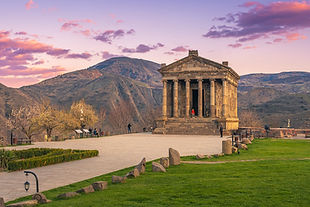
Majestic Armenia, with its soaring peaks, dramatic canyons and vibrant culture, ancient traditions, warm people and rich cuisine. A journey you’ll never forget.
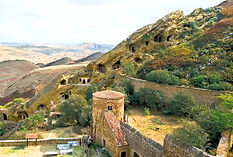
Discover hidden trails of ancient Mesopotamia, breathtaking region of Turkey, known for its diversity, rich history, culture, nature, hospitable people and fantastic cuisine.
Georgia’s wild east, with its soaring mountains, rich traditions, and welcoming people — a unique blend of ancient heritage and untamed natural beauty.
Armenia’s wild nature, with its rugged canyons, ancient paths, and open-sky freedom — a bold mix of raw landscapes, deep history, and true off-road spirit.
Embark on an unforgettable 8-day adventure in Georgia, combining rich culture, stunning landscapes, historic treasures, and breathtaking Caucasus views
If you are planning a trip to Georgia’s famous Kakheti wine region, there is one dramatic silhouette you simply cannot miss. Rising above the green Alazani Valley, perched on a rocky crag, stands Gremi - a striking complex of a royal citadel and the Church of the Archangels. Today, it looks like a peaceful storybook castle, but Gremi holds the memory of a golden age, royal intrigue, and a sudden tragic fall. Long before Telavi took the crown, Gremi was the bustling capital of
The Lurji Supra or Georgian Blue Tablecloth, is one of the most distinctive and symbolically charged textiles of the South Caucasus. More than a decorative household object, it functions as a ritual surface, a cultural code, and a mediator between the material and spiritual worlds.
For the uninitiated traveler, the holiday season in the Caucasus is a beautiful puzzle. Why does the West unwrap gifts on December 25th, while the Armenians celebrate on January 6th, and the Georgians wait until January 7th?